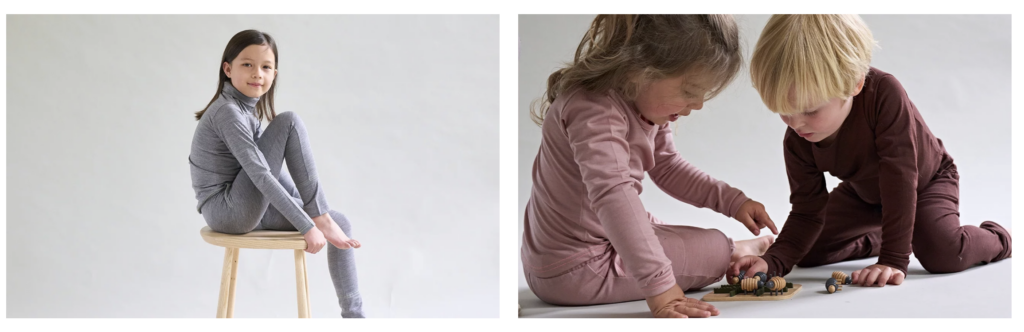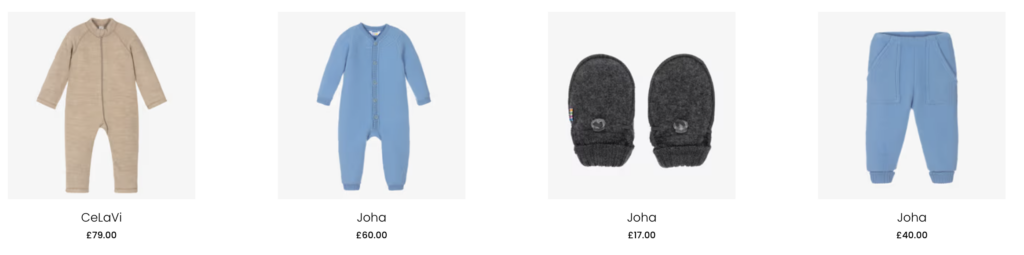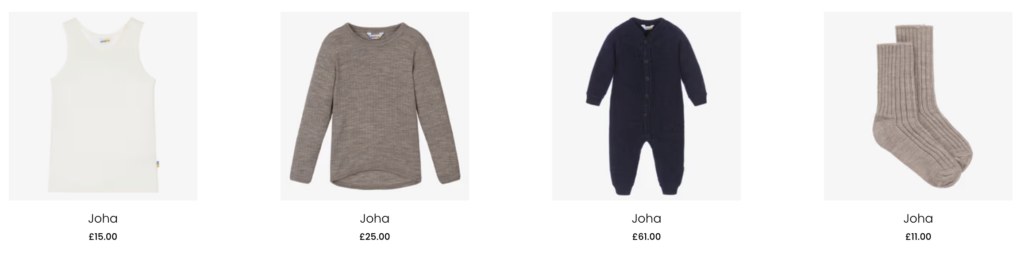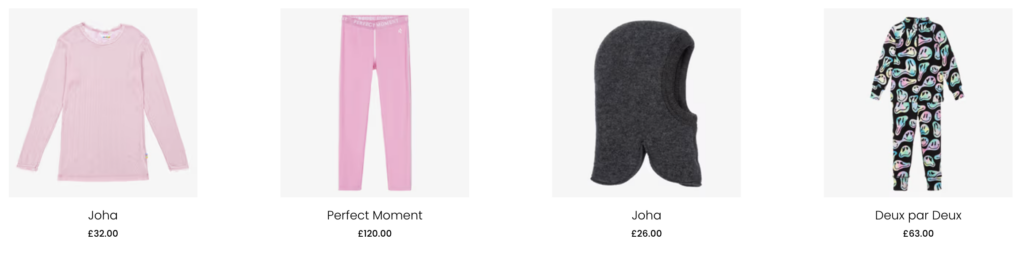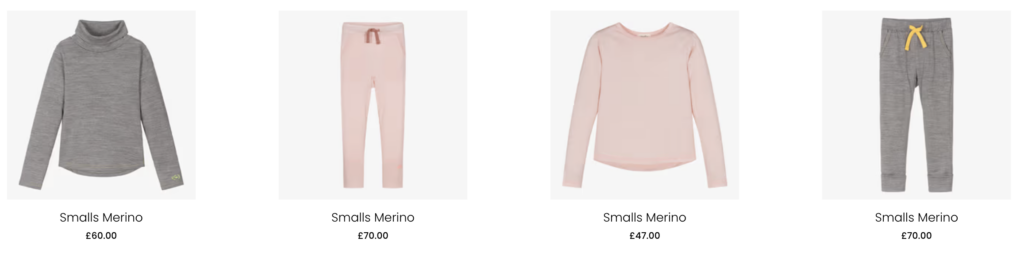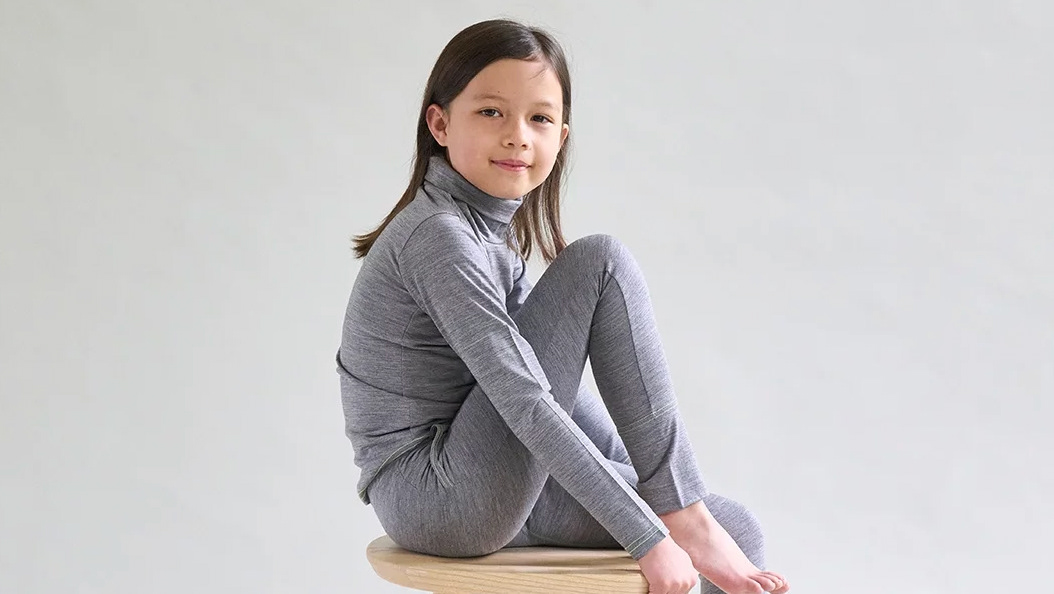
With winter approaching, now’s the perfect time to stock up their drawers with the cosiest thermals and kids’ base layers. But how does thermal clothing work? And what thermals are best for your child? We answer all of your questions in this handy guide.
What is thermal clothing?
Thermal clothing is clothing that is designed to keep your little ones warm on a cold day. Made from both natural and synthetic fibres, thermals offer the perfect base to wear under outer garments to lock in an extra layer of warmth.
How do thermal fabrics keep you warm?
Kids’ thermal clothing keeps them warm in a few ways. Firstly, the fibres of the fabric are woven in structures that trap tiny air pockets, like waffle and plain weaves. As air is a poor conductor of heat, the loss of body heat is slowed down drastically. Kids’ thermals also work by wicking away moisture from their skin — the body loses a lot of heat when sweat evaporates, so thermal fabrics quickly pull this moisture away from the skin to the outer layer.
What materials are best for kids’ thermals?
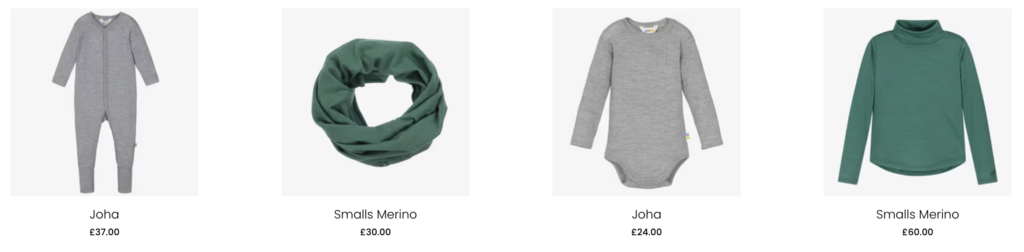
Wool is naturally crimped, creating millions of tiny air pockets that trap in body heat. The exterior of wool fibre is hydrophobic, meaning it’s resistant to water, whilst the inner layer is hydrophilic and can absorb water without feeling damp. Look out for Smalls Merino when browsing our thermals collection.
Some synthetic fabrics, like polyester and nylon, are also fantastic insulators of heat, due to their moisture-wicking properties. They are also lightweight and quick drying, making them ideal as base layers for skiing and other sub-zero activities.
What temperature is best for thermal clothing?
- 10°C / 50°F and below: Time to invest in quality kids’ thermals and start layering.
- 4°C / 39.2°F: Layer their thermal clothing under long-sleeved tops and thick trousers. Add thermal socks too.
- 0°C / 32°F: Thicker thermals are ideal. Consider thermal snoods and neckwarmers.
- −6°C / 21.2°F: Limit outdoor playtime. Layer up fully, including hats, gloves and a thick down-padded coat.
Merino Wool vs Synthetic Thermals
Merino Wool
- Naturally sustainable material
- Excellent odour control
- Soft next to the skin
- Great for temperature regulation
- Absorbs moisture whilst still feeling dry
Synthetic
- Dries extremely quickly
- Superior moisture wicking
- Resistant to pilling
- Lightweight and packs smaller
- Generally less expensive