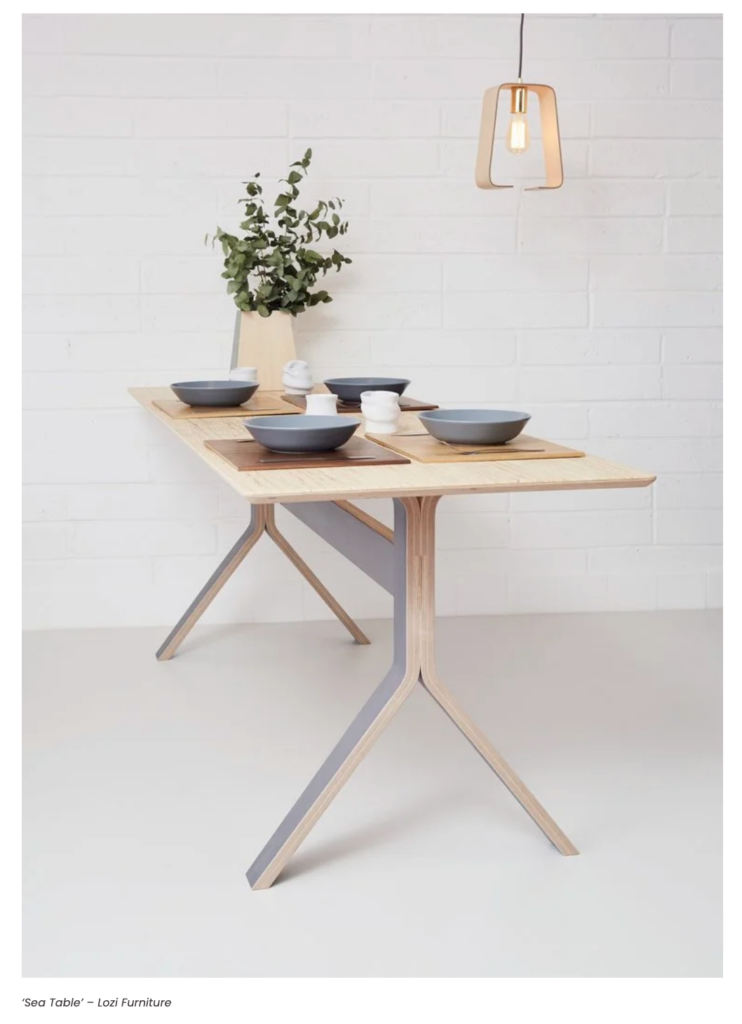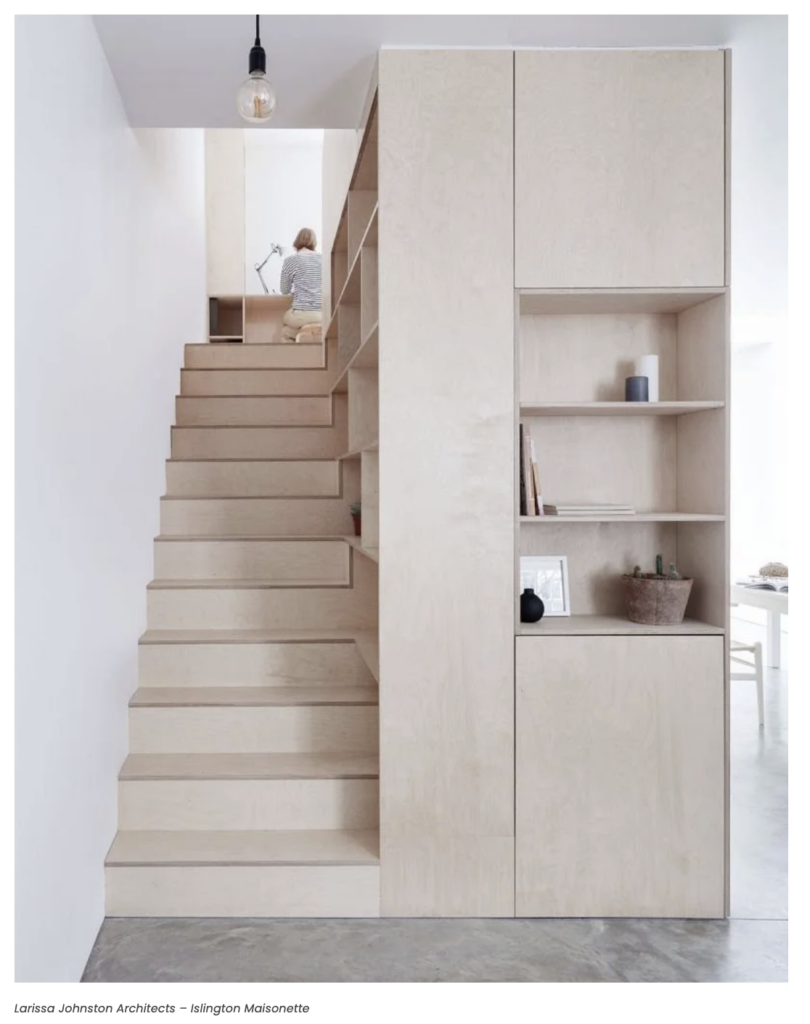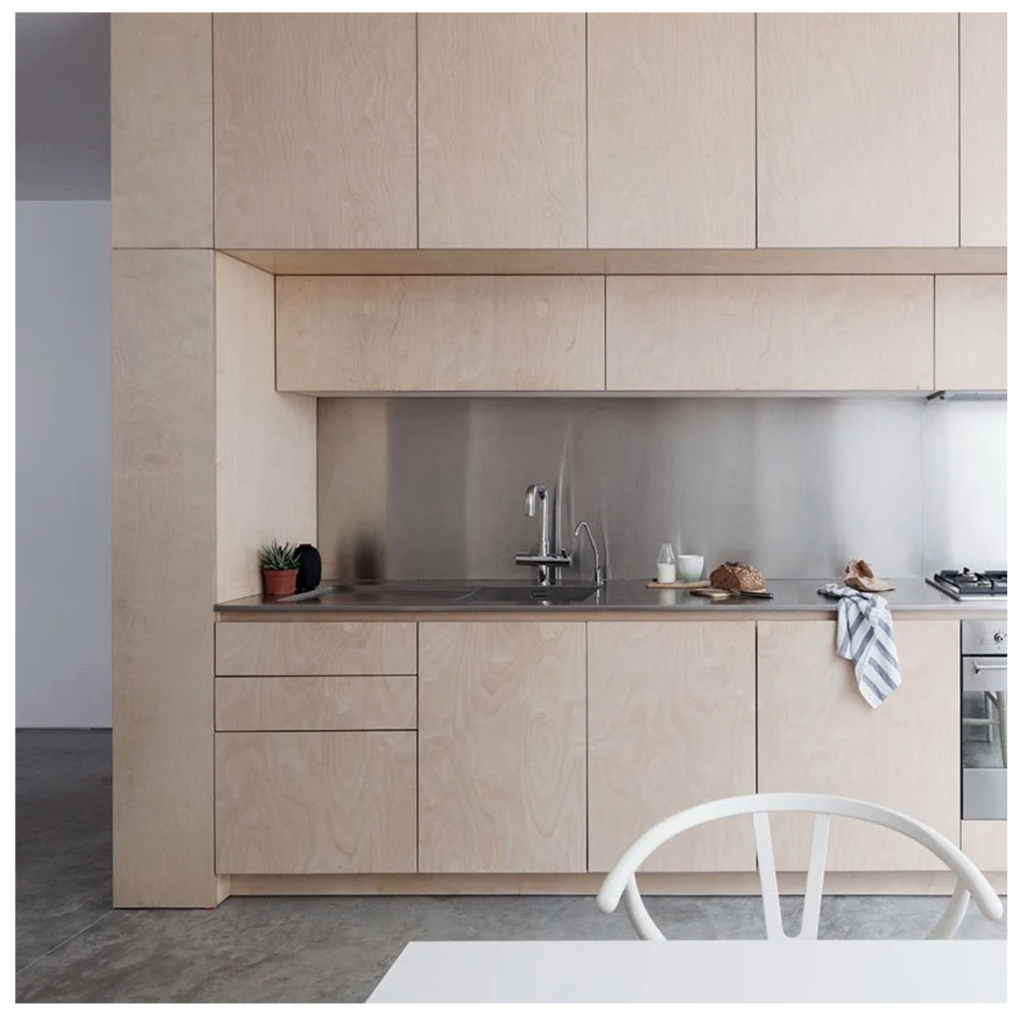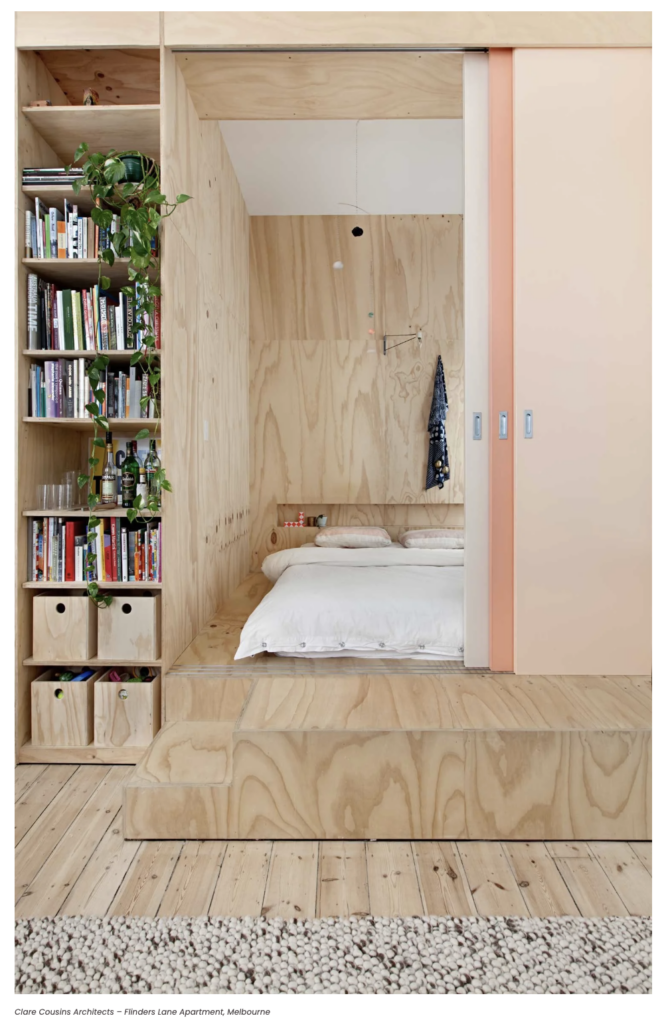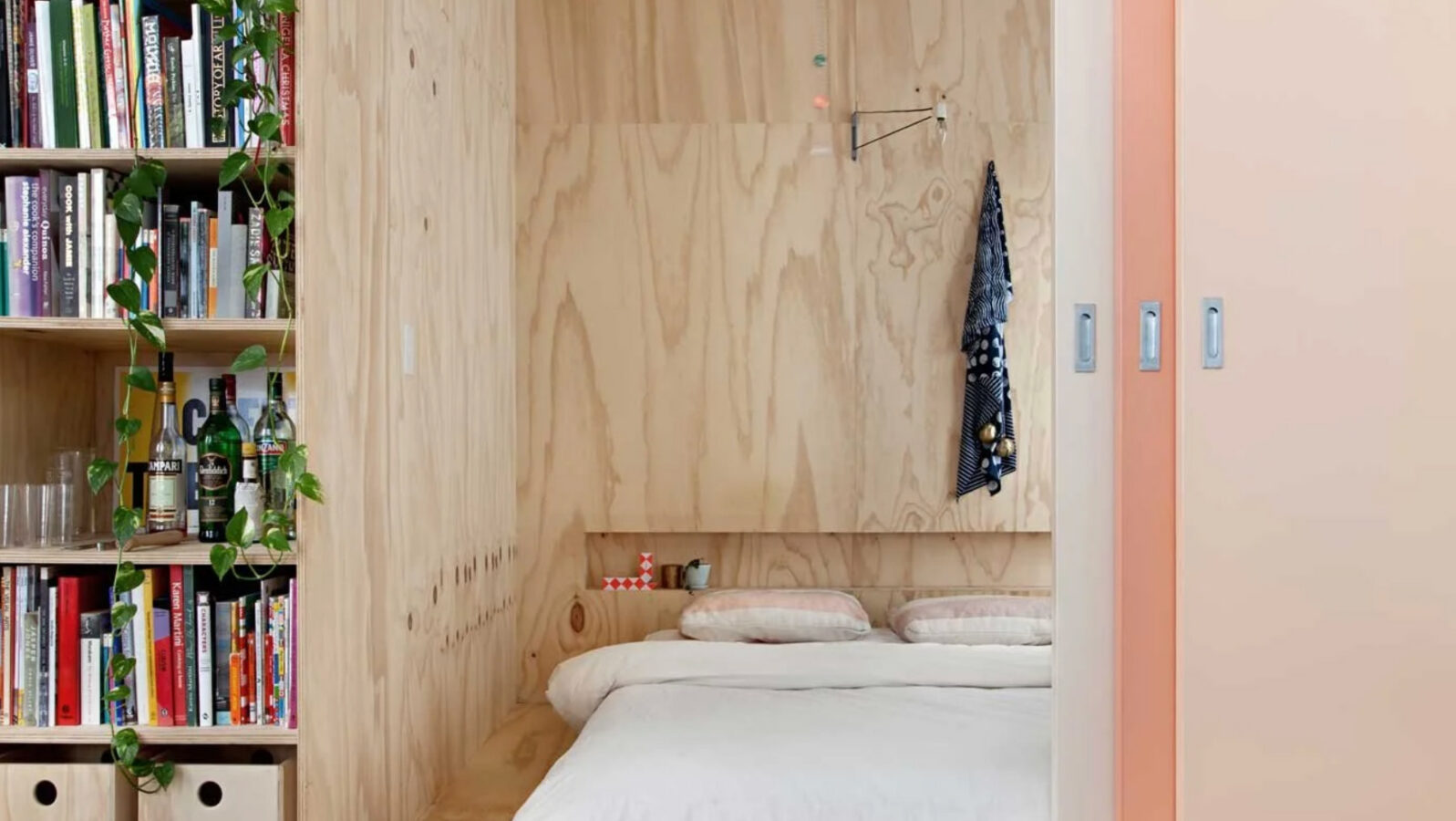
Plywood: once the poor relation of the material world, this surprisingly versatile surface is experiencing somewhat of a design ‘moment’ in interiors. Having shaped our homes and communal spaces for over a decade — without demanding much attention at all — this engineered board has spent most of its existence being banished behind plaster and paint… until now.
In a quest to find the latest covetable materials, designers and architects have turned to embrace and challenge the functional and aesthetic benefits of plywood, bringing it to the forefront of their creative concepts.
“Is it a case of the underdog finally ascending to the throne? Or simply that we’re all so cash-strapped, we’ve learned to love this plentiful, and extremely affordable, material?” — Michelle Ogundehin, Elle Decoration UK
The trend for stripped-back interiors and ‘minimal’ living has undoubtedly instigated the rise in popularity of plywood. Our homes are natural reflections of ourselves and our surroundings, and alongside the emergence of lifestyle movements such as ‘mindfulness’ and ‘minimalism’, our living spaces have been pared down to reveal their true structures.
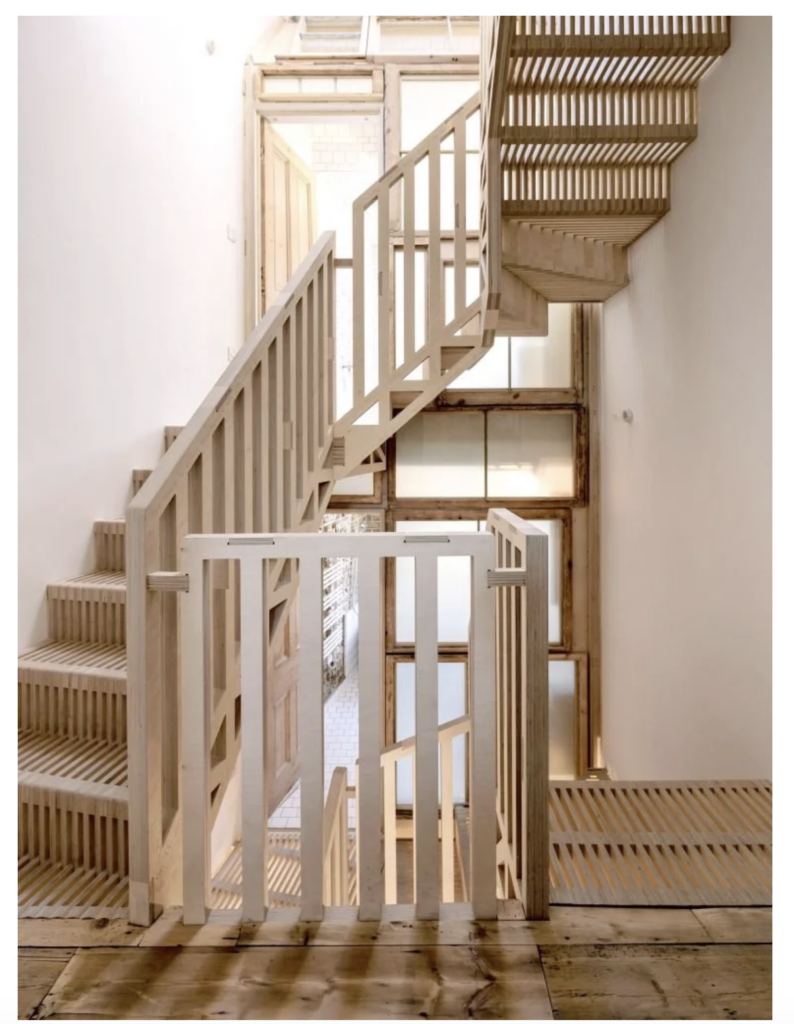
This concept goes hand-in-hand with the trend for raw materials and finishes — concrete, chipboard, and exposed plaster — where the surfaces often found beneath are brought to the centre of a scheme. London-based architecture firm Tsuruta Architects demonstrates this perfectly in a project named Marie’s Wardrobe, where a staircase constructed from 1,872 pieces of digitally fabricated plywood forms the house’s central skeleton.
The multi-layered construction of ply lends itself to a breadth of different applications, from structures and load-bearing partitions to furniture and decorative homewares — making it one of the most multifaceted materials out there.
Plywood: Material of the Modern World is showing at the Victoria & Albert Museum, featuring groundbreaking pieces by Alvar Aalto, Marcel Breuer, and Charles and Ray Eames.